There’s a strange moment in adulthood when you look at your life — your routine, your moods, your pacing — and realise nothing particularly catastrophic is wrong, but everything feels slightly… off. Not broken. Not dramatic. Just faintly misaligned, like your emotional GPS is buffering. That was me, recently, walking around with the emotional range of a damp dishrag and the patience of someone who accidentally switched to decaf tea.
For weeks I’d been carrying this low-grade irritation. Not a meltdown, not a crisis — just a subtle, persistent grumpiness that made even perfectly normal days feel heavier than they had any right to be. I blamed work. I blamed the weather. I blamed capitalism. I even blamed my kettle at one point, which felt personal and unfair, but in my defence, the kettle was loud that morning.
And then — during one particularly uninspired Tuesday afternoon, where I was drinking chamomile tea at an hour that could have easily resulted in an accidental nap — I realised something embarrassingly obvious:
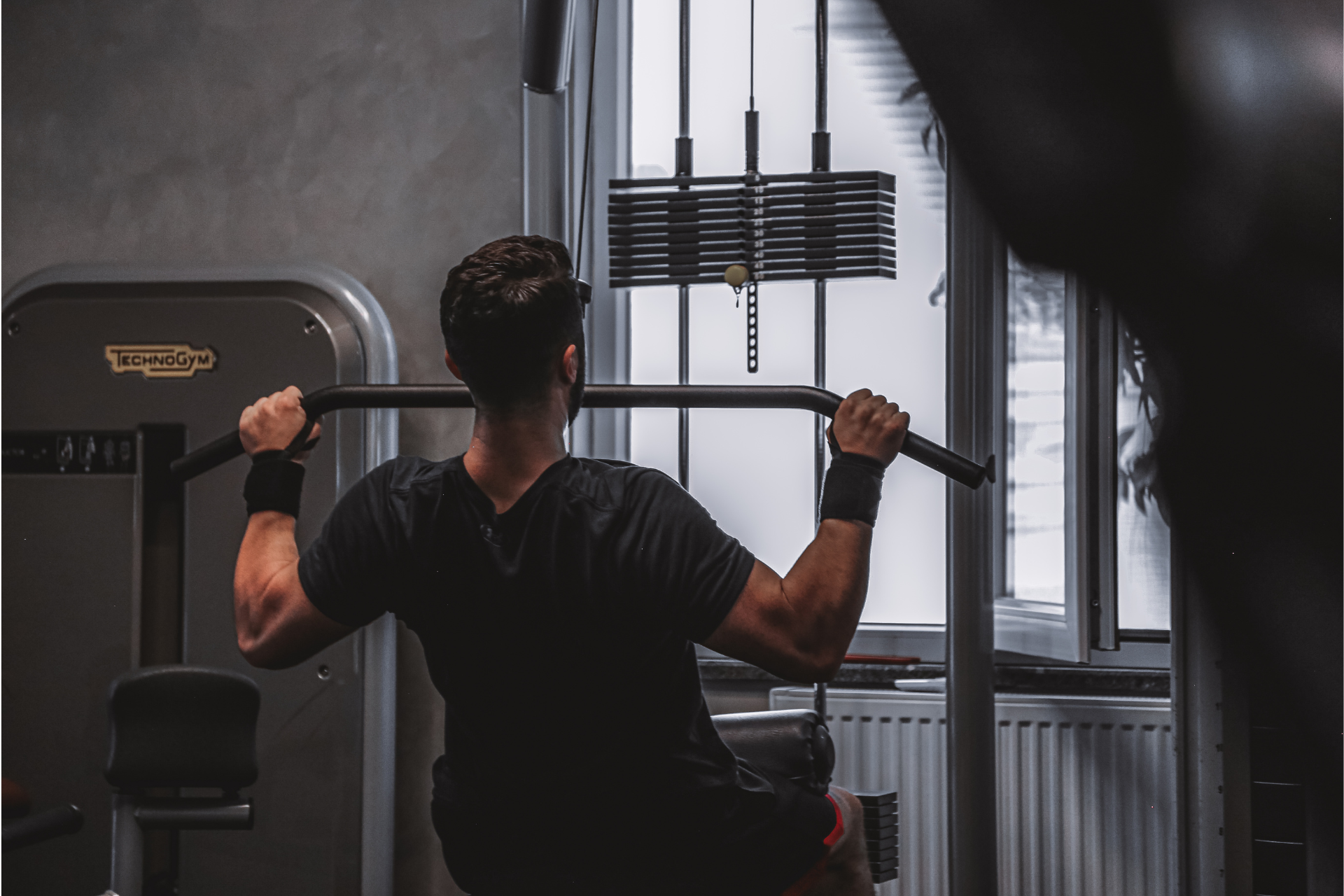
I hadn’t been to the gym in weeks.
Weeks.
Which explained quite a lot.
It’s funny how you think you can negotiate with your own wellbeing as an adult. As if you can just skip all the habits that keep you stable and somehow still remain stable. I genuinely believed I could outsmart endorphins. Spoiler: I could not. The gym has never been a place of spiritual enlightenment for me, but it does level me out. It keeps the emotional storms small, the moods manageable, the edges softer. And without it? Let’s just say chamomile had a heavy workload.
Around the same time, someone said something to me that landed with the force of a quiet truth — the kind that doesn’t shout, but settles in your chest. We were talking about depression — the real kind, the heavy kind, the kind that doesn’t care about your schedule or your responsibilities — and someone asked, “How do you overcome it? What do you even do?”
And the answer was painfully simple:
You go for a walk while depressed.
You go to the gym while depressed.
You water your plants while depressed.
You meet your friends for brunch while depressed.
You do the things — while still feeling the thing.
Because waiting to feel better before you move is a trap.
You’ll be depressed either way, so you may as well do something.
Not because it fixes anything overnight, but because it keeps you tethered to life when your brain tries to convince you to disconnect from it.
And slowly — painfully slowly at first — those small, consistent actions start carving little pockets of relief.
Weeks pass.
You realise you’re not forcing every step anymore.
You’re not dragging yourself to the gym — you’re just… going.
You’re not performing joy — you’re noticing it.
In the walk.
In the sunlight on the counter.
In the laughter over brunch.
In the quiet proof that you kept showing up for your life, even when you didn’t feel like you belonged in it.
Because life will continue with or without you — and you deserve to be in it, not watching from the edges.
Anyway… more on that another time. Back to the chamomile.
That tiny cup of tea — warm, quiet, calming in that “this could also sedate me” way — became a mirror. A reminder that joy isn’t some lightning bolt from the universe. It’s something you create, one small, intentional action at a time. A walk. A workout. A moment of stillness. A decision to stop spiralling and start doing.
There’s a term for this in psychology: behavioural activation.
It’s the idea that mood follows action, not the other way around.
You don’t wait to feel good to do something — you do something, and the feeling catches up. Slowly, stubbornly, but reliably. Once I wrapped my head around that, the everyday started to look different.
Not louder. Not more exciting. Just… more mine.
Because here’s a truth no one likes admitting: most of your life will not happen on holidays, at celebrations, or during those rare Instagrammable moments you think define your story. Most of your life is built out of Tuesdays — painfully normal, aggressively average Tuesdays. If you can’t find joy there, you’re missing 90% of your existence.
So I started paying attention — not to the big joys, but the small, unglamorous ones that quietly stabilise you:
A proper cup of chamomile tea made before I was emotionally unravelled, not after.
A gym session where I don’t try to overhaul my life.
Using the “nice” mug for no reason other than being alive on a weekday.
A short walk, not for fitness, but for the simple novelty of being outside my own head.
Opening the windows even when the weather is going through an identity crisis. (My Johannesburg & Capetonian readers – I know you can relate)
Putting my phone in a drawer while I eat, because apparently I must parent myself.
Reading one page of a book — literally one — because that beats pretending I’ll read a chapter.
Tidy corners that create the illusion of a tidy life (which is all any of us can achieve, realistically).
Ten minutes of stretching so my spine remembers I am not, in fact, 97 years old.
Actually finishing a glass of water instead of abandoning it around the house like emotional breadcrumbs.
Lighting a candle at 3pm because atmosphere shouldn’t be reserved for guests I don’t even have.
None of this is glamorous.
None of this will earn applause.
But that’s the point.
Joy wasn’t hiding from me.
I was hiding from it — sprinting through my days so fast that I forgot joy doesn’t arrive as an event. It arrives as small moments you choose on purpose.
Nobody will build this for you.
People are too busy managing their own chaos — their own gym schedules, their own chamomile-fuelled existential crises, their own Tuesdays.
You can wait for perfect conditions, or you can create small ones.
You can hope joy finds you, or you can meet it halfway — in the kitchen, at the gym, in the quiet between emails, in the moment you choose to show up for yourself instead of abandoning yourself again.
Joy isn’t loud.
Joy isn’t dramatic.
Joy is maintenance.
Joy is choosing tiny actions that shift your day by a degree or two — enough to matter, not enough to overwhelm.
Find your joy in the everyday.
Find it in the plain moments, the steady rituals, the small acts of self-respect.
Find it in the life you’re living right now, not the one you keep postponing.
Because the truth is simple: if you don’t learn to love your ordinary days, you’ll spend your whole life waiting for weekends that never last long enough.