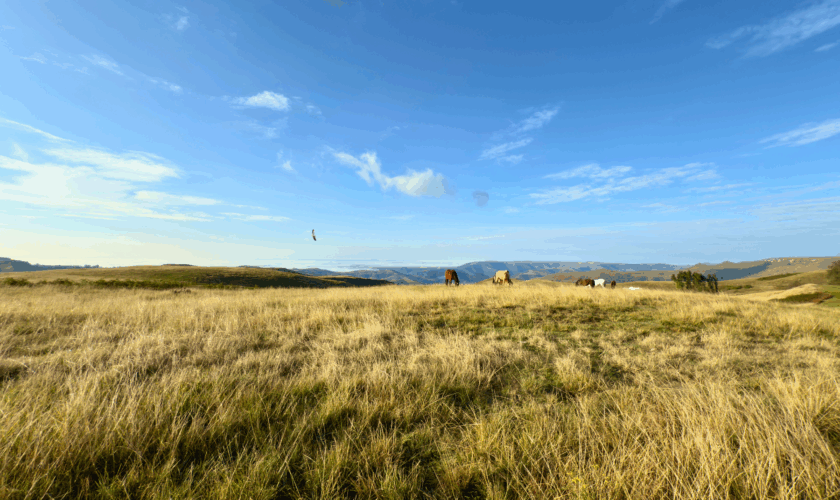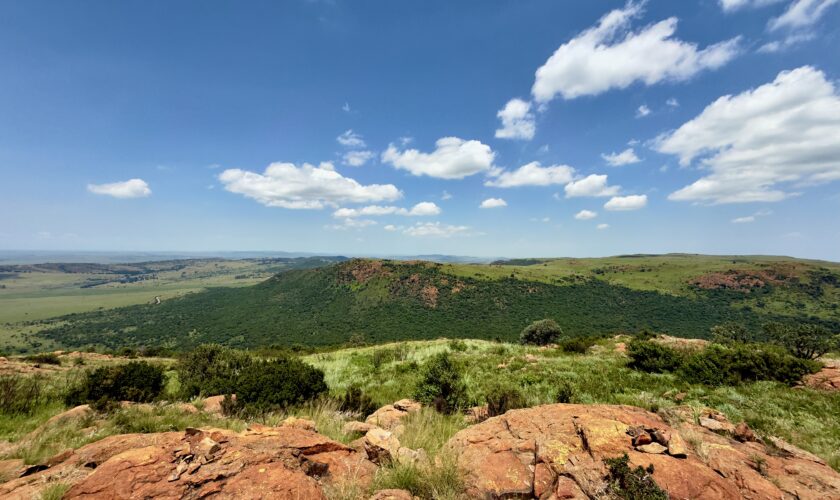
Somewhere along the way, travel taught us that day is for seeing and night is for resting. That once the light disappears, the experience pauses. But I’ve found the opposite to be true. The most memorable moments I’ve had while travelling in South Africa have rarely happened under a high sun. They happened later, once the heat broke, once the noise softened, once the world felt less performative.
This is where noctourism quietly enters the conversation.
Noctourism is often described as a trend—travel centred around nighttime experiences—but in South Africa it feels less like something new and more like something we’ve always known but never named. The night here has weight. It changes landscapes, behaviour, even thought patterns. You don’t move through it in the same way you move through a day.
I first became aware of this not during a big moment, but during a small one. Sitting outside, far from any town, realising how quickly darkness arrives when there’s nothing competing with it. No glow from shopping centres. No hum of traffic. Just a clean, immediate night that demands your attention without asking for it.
In places like the Karoo, darkness isn’t dramatic. It’s absolute. The kind that forces your eyes to adjust and your mind to slow down. You stop reaching for your phone because it feels intrusive. You stop talking because sound carries too far. Eventually, you just sit. And that stillness does something subtle but lasting. It recalibrates you.
Part of noctourism’s growing appeal is practical. South Africans understand heat. We understand how movement shifts when temperatures rise. Walking becomes easier in the evening. Conversations stretch longer. Meals feel less rushed. Travel becomes less about endurance and more about presence. Nighttime naturally invites slowness, and slowness invites attention.
Then there is the bush. Anyone who has spent time near a reserve knows that the bush at night is not quieter—it’s more honest. Some of the most grounded wildlife experiences I’ve encountered came not from spotting animals, but from listening to them. The distant call of something unseen. The sudden silence that signals movement. Night drives offered through organisations like SANParks reveal a different order of life, one that doesn’t perform for visitors. You are there as an observer, not the centre of the story.
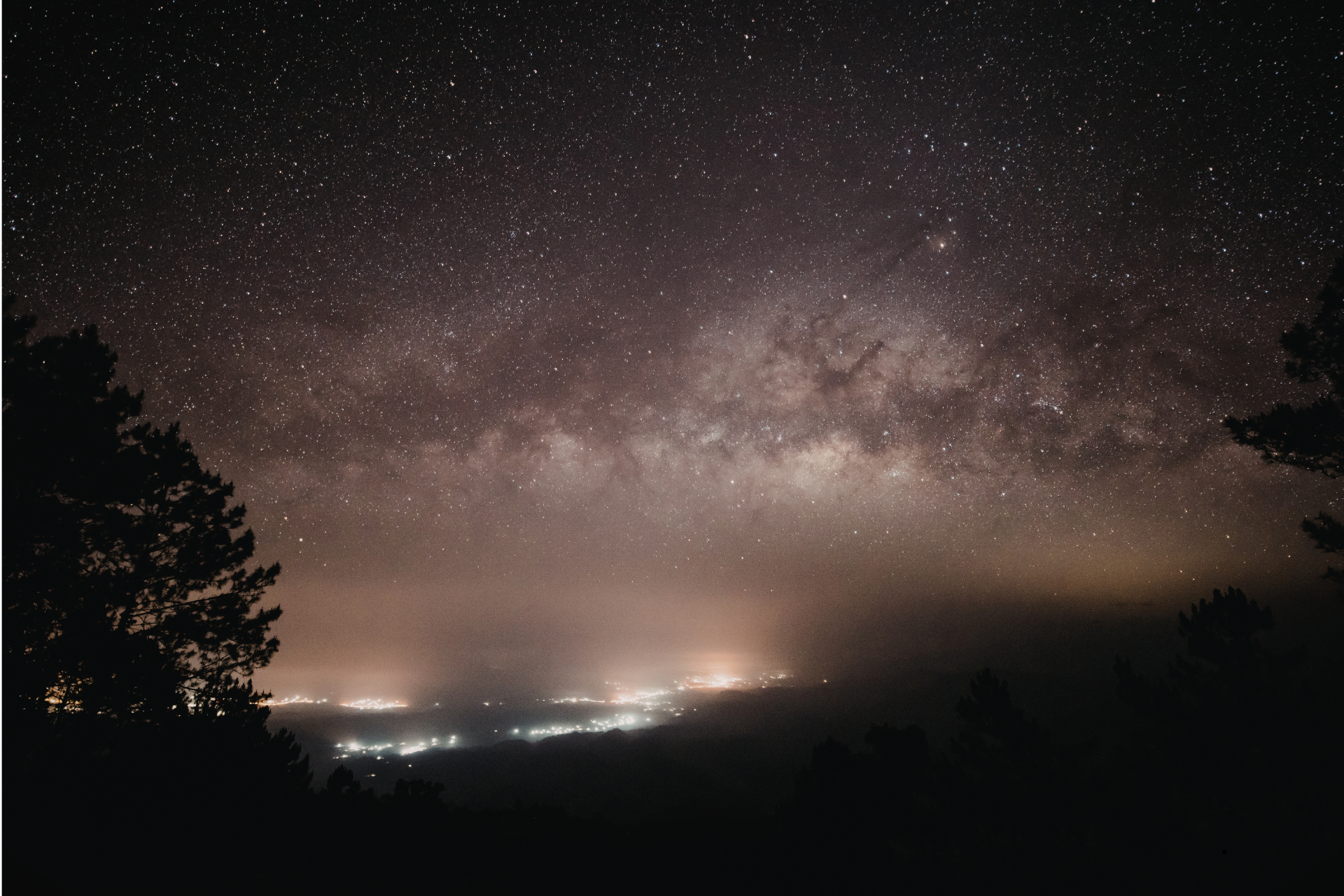
Stargazing is another experience that feels deeply personal in South Africa. We often underestimate what we have access to. Places like Sutherland in the Northern Cape draw international attention for their skies, yet many locals have never stood beneath them long enough to feel their scale. Institutions such as the South African Astronomical Observatory exist because our skies are exceptional, not because we decided to brand them that way. There is something grounding about realising that while cities sleep, entire systems of light and time continue overhead, indifferent to our schedules.
Cities, too, deserve reconsideration after dark. Cape Town feels less self-conscious at night. Johannesburg reveals layers of creativity and resilience that daylight often hides. Durban breathes differently once the sun sets, the ocean setting the rhythm instead of traffic. These places don’t become quieter necessarily; they become more human. Less curated. More lived in.
What draws me most to noctourism isn’t novelty, but relief. At night, the pressure to document fades. You’re less inclined to prove you were somewhere and more inclined to simply be there. Senses reorganise themselves. You hear more than you see. You feel temperature, texture, distance. Darkness strips away distraction and leaves only what matters.
There is also responsibility in this kind of travel. Night is fragile. Too much light, too much noise, and it collapses into something artificial. Organisations like the International Dark-Sky Association remind us that preserving darkness is an active choice, not a passive one. Noctourism done well respects limits. It values restraint. It understands that the night doesn’t need improvement.
From a broader perspective, South Africa is uniquely positioned for this shift. Not because we are marketing it aggressively, but because the raw elements already exist. Space, darkness, wildlife, coastline, cities with soul. Bodies like South African Tourism often speak about diversity of experience, and the night quietly ties many of those threads together.
For me, noctourism isn’t about staying up later. It’s about travelling differently. Letting go of urgency. Allowing places to reveal themselves at their own pace. Trusting that not everything meaningful needs to be clearly seen.
In South Africa, the night doesn’t demand attention. It waits. And if you meet it without expectation, it offers something increasingly rare in modern travel: a sense of scale, a sense of quiet, and a reminder that sometimes the most honest way to experience a place is to sit with it in the dark.